Topic
Health
Page 11 of 17
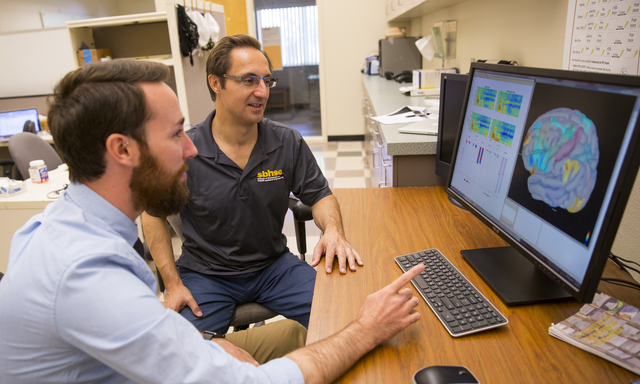
Striving for big steps in prosthetic hand technology
August 11, 2017
Fulton Schools researchers are taking aim at breaking down barriers that prevent artificial hands from giving users the full sensations and functional capabilities of natural hands.School or unitSBHSE

Graduate students’ lab skills help to earn funding for cutting-edge biomedical research
August 3, 2017
Studies of the mechanisms of early human neurodevelopment and the effects of aging and other risk factors for Alzheimer's Disease will be done by ASU’s Brafman Lab with recent grants from the National Institutes of Health and the Arizona Biomedical Research Commission.School or unitSBHSE
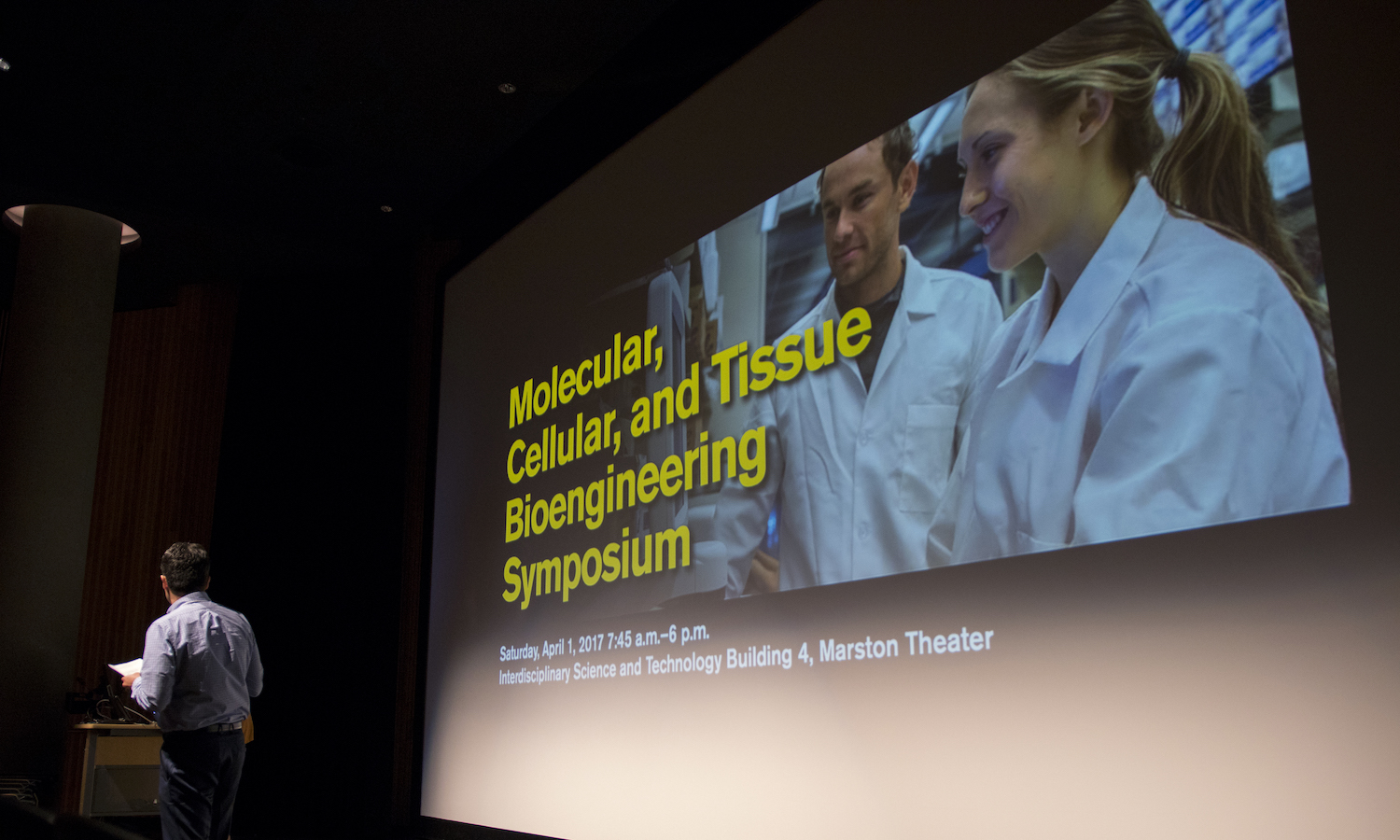
‘Soft’ side of bioengineering poised to make big impacts
July 27, 2017
A group of engineering and science faculty members is striving to expand the scope of ASU's bioengineering research and education — as well as students' career possibilities.School or unitSBHSESEMTE

BRAIN center gathers to ponder future, direction
July 19, 2017
Researchers, leaders, industry members and stakeholders of the Industry–University Cooperative Research Center Building Reliable Advancements in Neurotechnology, or BRAIN, gathered the center's inaugural industry advisory board meeting on June 29.School or unitSBHSE

ASU engineer working to develop disposable point-of-care sensor
May 17, 2017
Jennifer Blain Christen's enthusiasm to explore new and different applications of electrical engineering earned her the funding to leverage her engineering expertise to create an innovative new diagnostic tool.School or unitECEE

Microengineering a heart attack
May 16, 2017
With support from a National Science Foundation CAREER Award, Mehdi Nikkhah is creating a heart attack-on-a-chip to better understand a disease that is a leading killer in the United States.School or unitSBHSE

Xiao Wang cell fate research advances
May 15, 2017
Biomedical engineering research that is increasing knowledge about the mechanisms of cell differentiation could pave the way to new medical treatments and therapies.School or unitECEESBHSE

Fulton Schools graduates 17 more Grand Challenge Scholars to tackle global challenges
May 12, 2017
High-achieving students in the Fulton Schools go above and beyond the typical engineering curriculum in the Grand Challenge Scholars program, as they learn to be collaborative, transdisciplinary, global problem solvers.School or unitFulton SchoolsSBHSESCAISEMTESSEBE
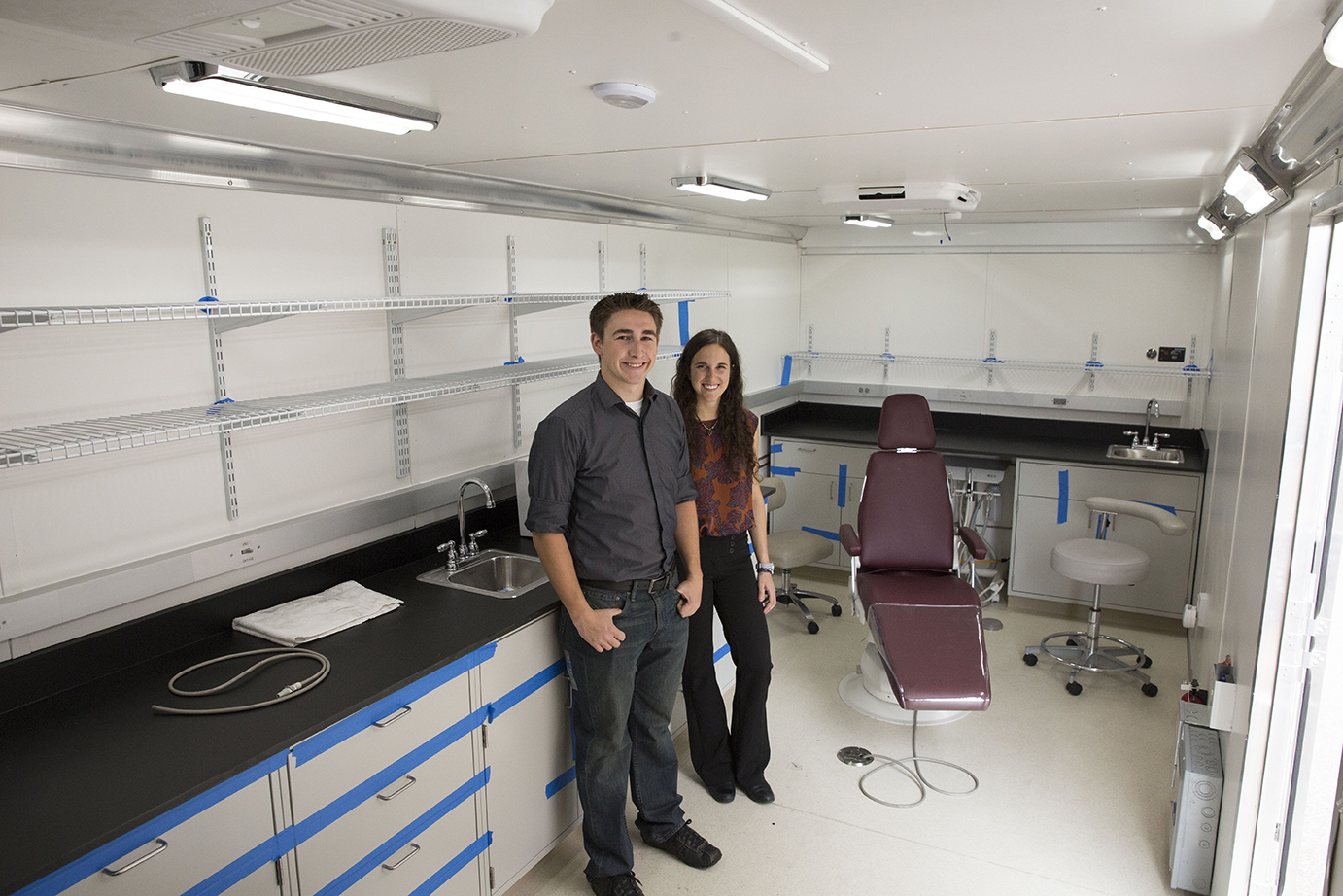
Engineering Smiles’ mobile dental clinic ready to hit the road
May 3, 2017
After four years of hard work, the EPICS team is preparing to send their mobile dental clinic to aid dental missions to developing nations.School or unitSEMTE
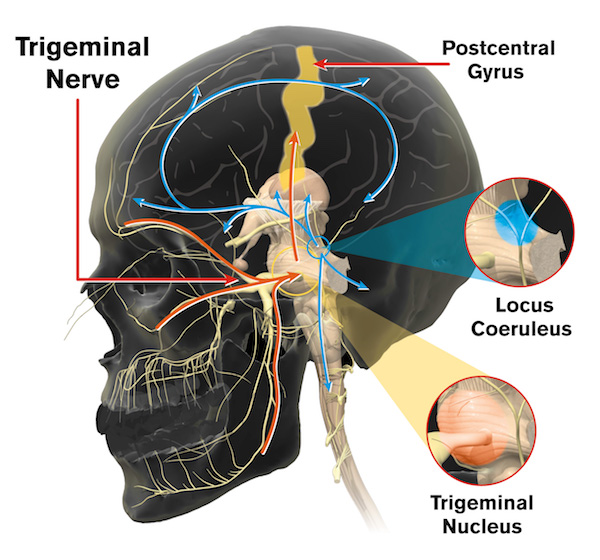
Stimulating the expansion of human cognitive potential
April 26, 2017
Through research aimed at enabling American troops to boost their effectiveness on the battlefield, Fulton Schools faculty hope to refine techniques to enhance human learning and performance.School or unitSBHSE

Academia, industry collaborate on solutions to neural disease, injury
April 20, 2017
The BRAIN Center will be led by researchers from Arizona State University and the University of Houston who will work with industry partners to speed technologies to market.School or unitSBHSE

DNA-detection research earns biomedical engineer Young Chemist Award
March 16, 2017
Biomedical engineering graduate student Aldin Malkoc was awarded the 2017 Young Chemist Award for his research to improve on the specificity and sensitivity of DNA detection.School or unitSBHSE

ASU researcher investigates new treatments for dormant, lethal cancer cells
March 10, 2017
Sheba Goklany received a three-year, $225,000 New Investigator Award from the Arizona Biomedical Research Commission to develop new treatments for breast cancer.School or unitSEMTE

Student engineers take orthopedic startup to international competition
March 9, 2017
Three biomedical engineering students are designing orthopedic dynamic splints that both prevent and fix hand deformities as part of a startup called Rethro.School or unitSBHSE

Inside and out, ASU engineer studies the role microbes play in health
January 4, 2017
Associate Professor Rosa Krajmalnik-Brown will apply her expertise in a National Academies committee to advance our understanding of microbe interactions with chemicals and their implications for human health.School or unitSSEBE

Intent on making big impacts
November 4, 2016
ASU’s most recent winners of prestigious National Science Foundation Graduate Research Fellowship awards are determined to contribute to progress in biological, environmental, energy and systems engineering.School or unitPOLYSBHSESSEBE

CBS drama ‘Pure Genius’ leverages real-world technology from ASU
November 3, 2016
There's nothing fictional about some tech featured in the CBS medical drama Pure Genius — Phoenix Children's Hospital uses 3D printed hearts twice a week to save lives.School or unitSBHSE
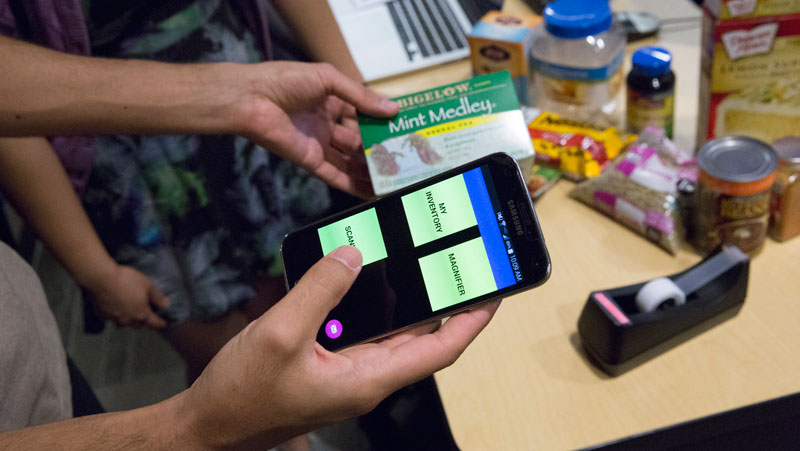
Multidisciplinary engineering teams design assistive technologies that aid in everyday tasks
May 25, 2016
Multidisciplinary teams of undergraduate, graduate, and doctoral engineering students created devices and apps for clients to make independent living easier.School or unitFulton SchoolsSCAISSEBE
Date range August 2017 – May 2016