Topic
Health
Page 10 of 17
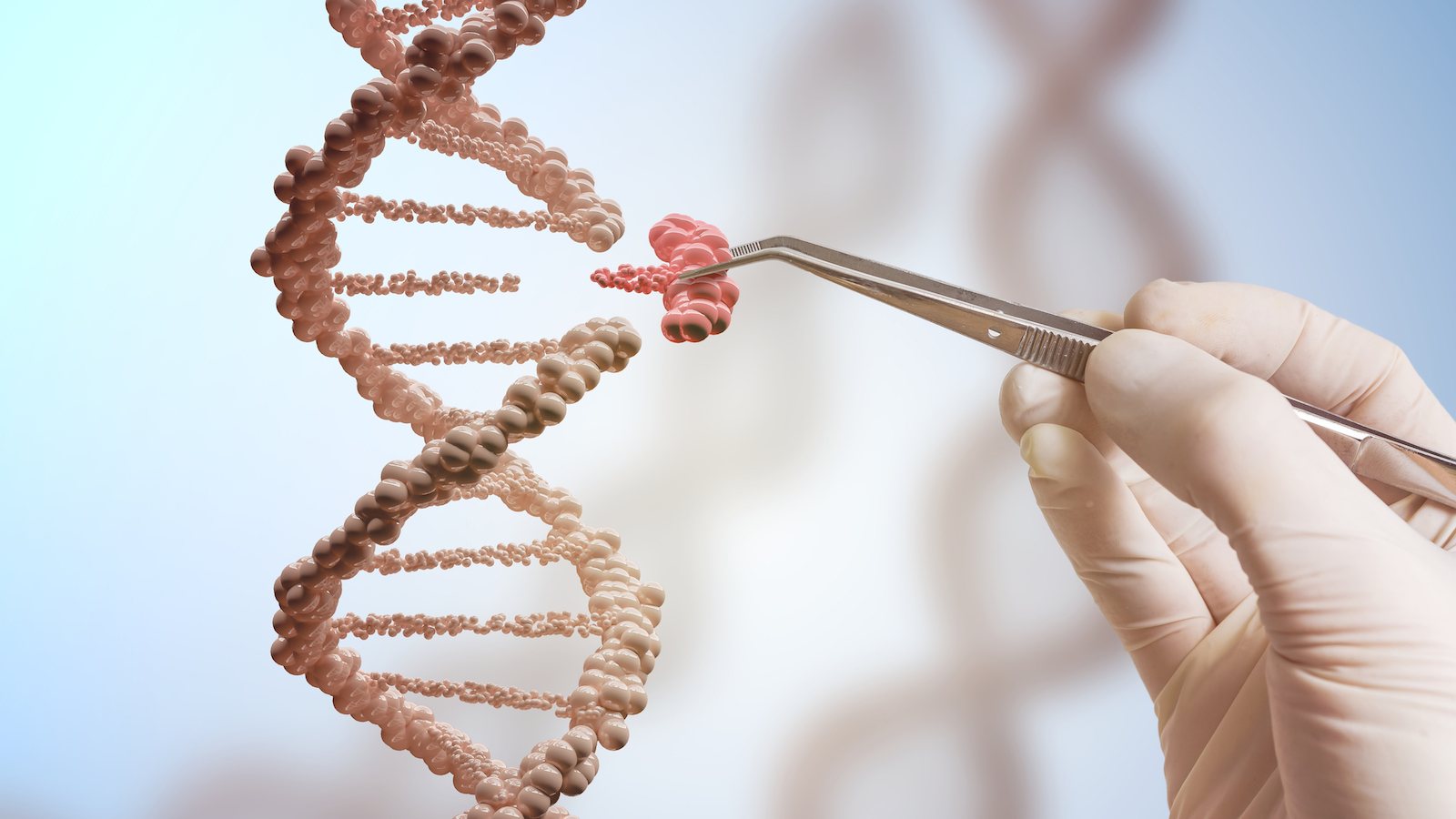
Gene-editing advance may hold key to groundbreaking medical progress
August 28, 2018
Fulton Schools researchers are expanding the versatility of the gene-editing technology CRISPR in ways that boost its ability to improve human health.School or unitSBHSE
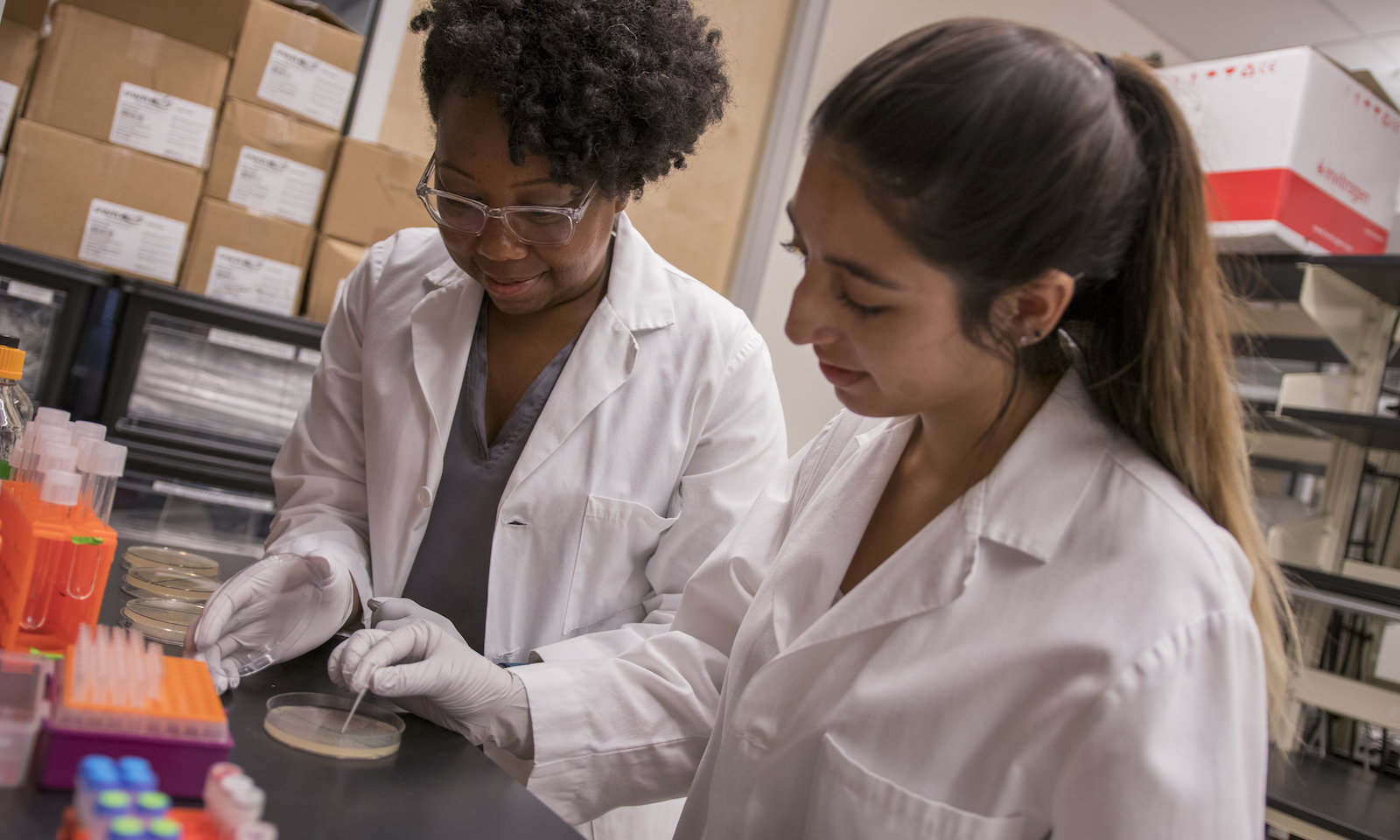
Synthetic biology sparks promise of medical, energy advances
August 2, 2018
SEED 2018 showed synthetic biology’s potential to help solve many of the world’s big challenges. ASU researchers are poised to contribute to the solutions.School or unitSBHSE

NSF Graduate Research Fellow combats cancer with math
July 20, 2018
National Science Foundation Graduate Research Fellow Brendon K. Colbert will determine mathematically how immune systems interact with cancer for better treatment.School or unitSEMTE
NSF Graduate Research Fellow aims to improve lives with synthetic biology
July 13, 2018
Lexi Bounds turned an interest in soccer balls made of lab-grown cells into a promising biomedical engineering research career.School or unitBarrettSBHSE
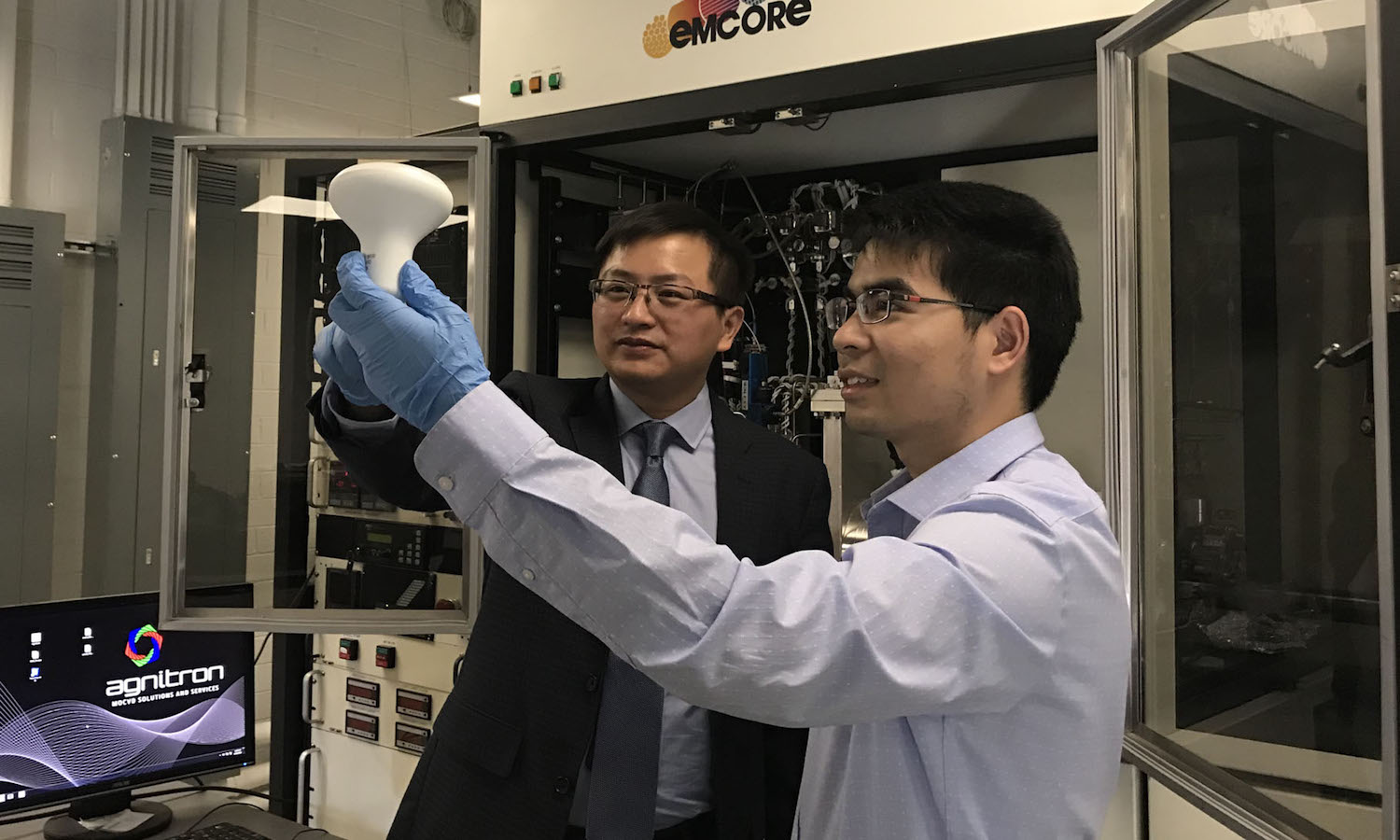
ASU Bisgrove Scholar illuminates the future of LED lighting
April 27, 2018
Light-emitting diode research by Yuji Zhao outlines the theoretical limits of efficiency and expands LED use to wireless communications and medical applications.School or unitECEE
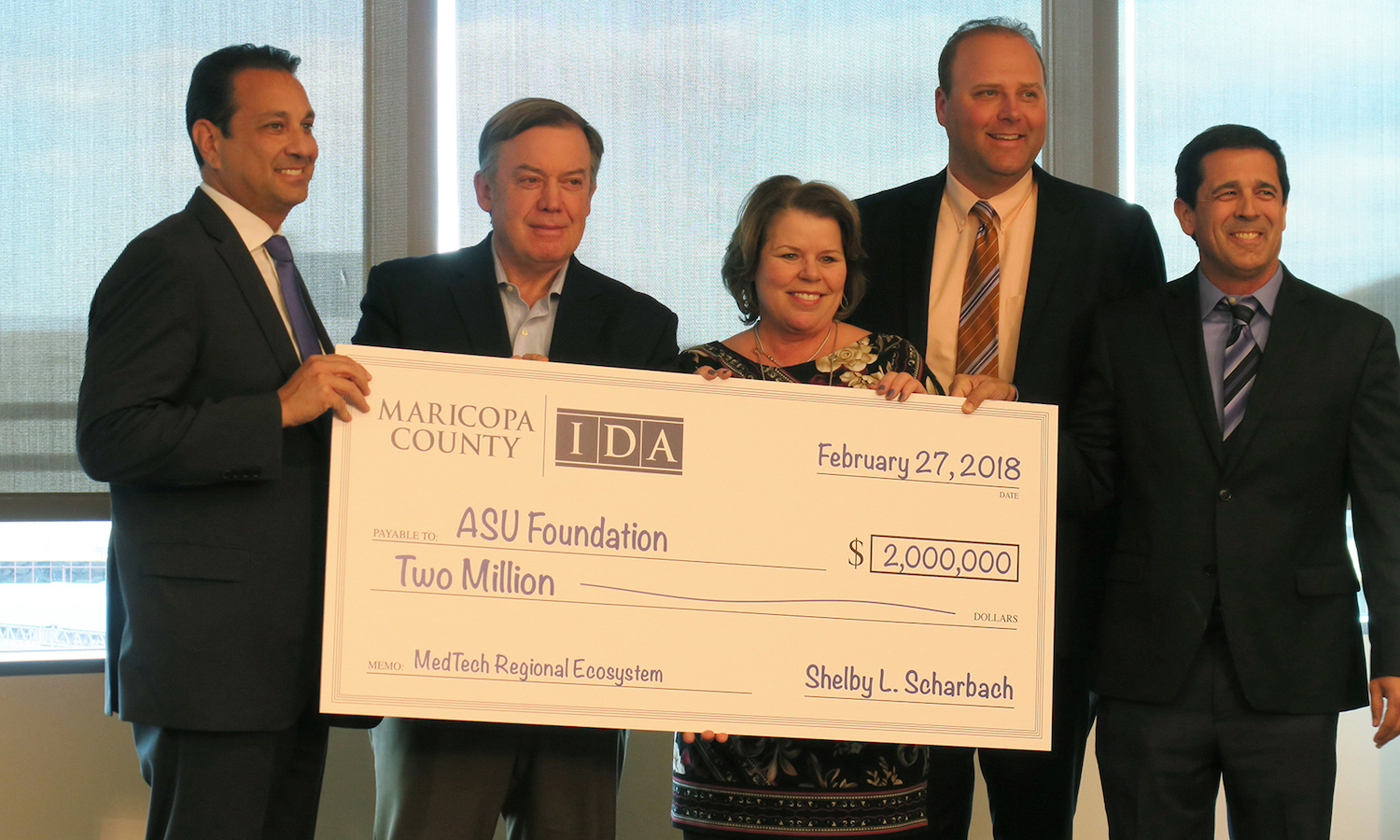
ASU accepts $2M grant to prepare workers for MedTech jobs
February 28, 2018
This week the Arizona State University Foundation accepted a $2 million check from the Maricopa County Industrial Development Authority (MCIDA) to fund a new workforce development project to accelerate innovation and entrepreneurship in Maricopa County.School or unitFulton Schools
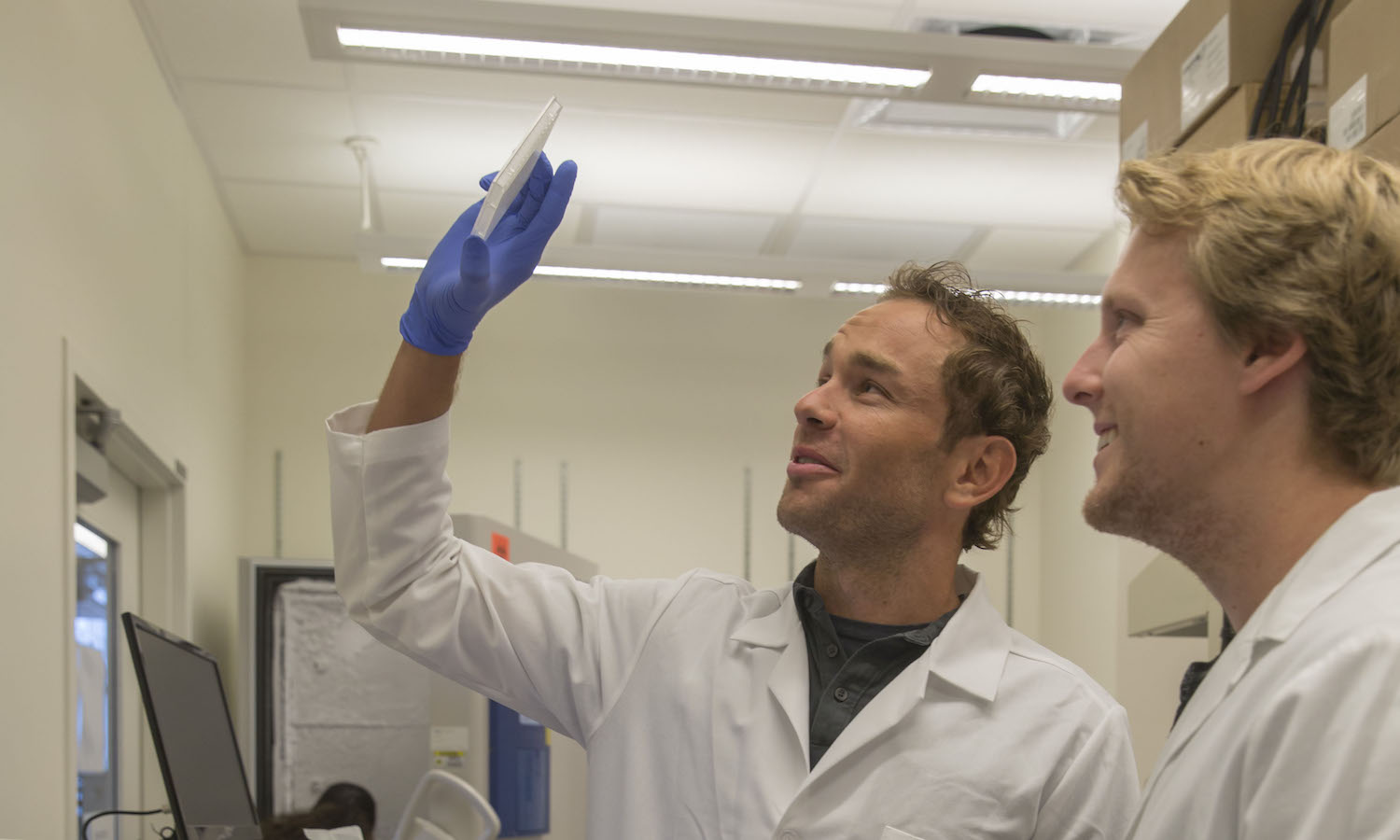
When aging goes wrong: researchers try to identify causes of Alzheimer’s
February 23, 2018
David Brafman partnered with the Mayo Clinic’s Dr. Richard J. Caselli to use a stem-cell-based approach to identify causes of Alzheimer’s disease in people with various levels of risk based on variations of the apolipoprotein E (ApoE) gene.School or unitSBHSE

Doctoral candidate’s revolutionary biosensor research earns top award
February 22, 2018
Chi-En Lin, a doctoral candidate in biomedical engineering, earned Metrohm USA’s Young Chemist Award 2018 for revolutionary research on biosensor technology.School or unitSBHSE
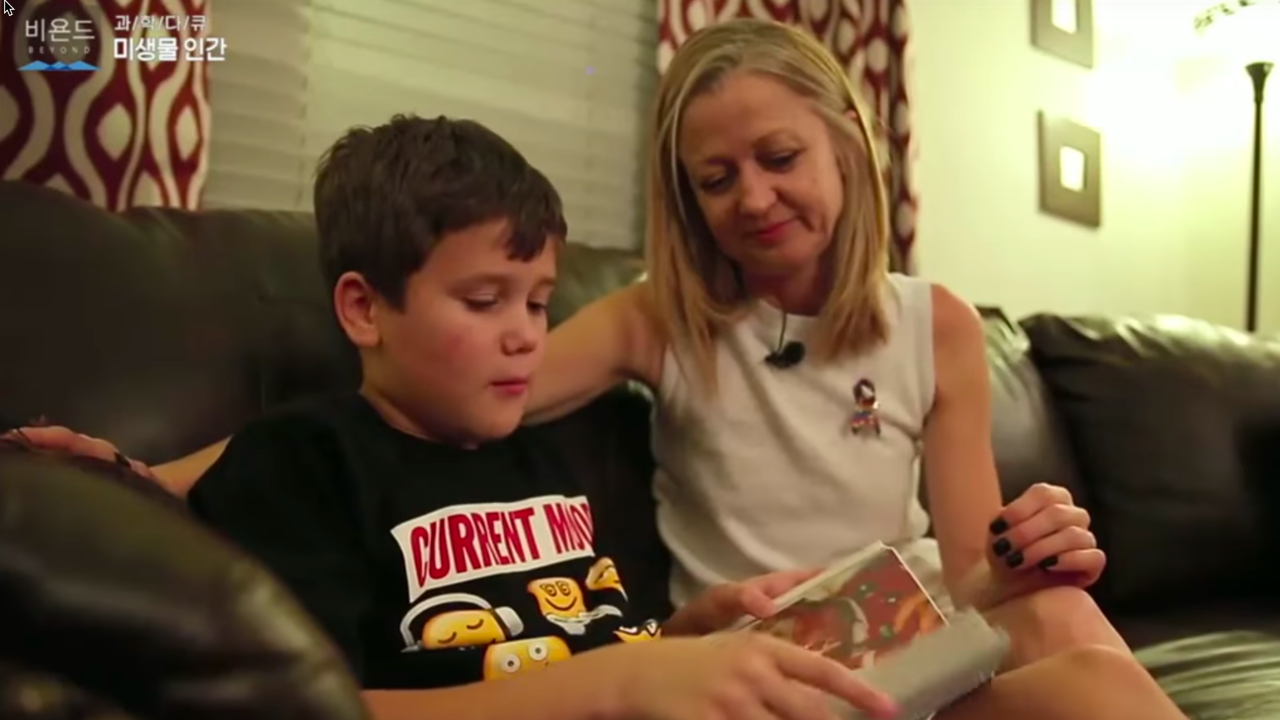
TV documentary spotlights autism, microbiome research by ASU engineering and biodesign faculty
February 6, 2018
A new in-depth documentary reports on new knowledge about links between autism and health problems revealed by the work of ASU researchers.School or unitSEMTESSEBE

Jennifer Blain Christen stimulates nerves and young minds
February 2, 2018
Jennifer Blain Christen is entering an entirely new field of medicine — electroceutical. This field treats diseases with the direct electrical stimulation of specific nerves, triggering self-treatment within the body, generally with the use of electrodes.School or unitECEE

Hoolest lends an ear to stress relief
January 30, 2018
Hoolest Performance Technologies, a student startup led by biomedical engineering graduate student Nicholas Hool, seeks to create an earbud device that reduces the effects of performance anxiety, stress and nervousness. They will compete for $100,000 in funding at the ASU Innovation Open final round on February 2.School or unitECEESBHSESCAI
ASU researcher earns recognition for innovative regenerative engineering method using synthetic biology
January 23, 2018
Mo Ebrahimkhani and his research team have been recognized for their work to engineer stem cell derived organoids and advance the fields of organ transplantation, disease modeling and drug discoveries.School or unitSBHSE

Exemplary leadership, significant contributions earn professors AAAS Fellow status
December 5, 2017
Outstanding achievements and leadership in their fields earn two Fulton Schools professors Fellow status in one of the most prominent organizations of scientists and engineers.School or unitSCAI

Fulton Schools faculty win award with innovative “person-centered” multimedia paradigm
December 4, 2017
Three Fulton Schools faculty members and one postdoctoral student win 2017 IEEE MultiMedia Best Department Article Award for person-centered multimedia computing and its assistive and rehabilitative applications for individuals with disabilities.School or unitSCAI

Potential to help keep U.S. an innovation nation brings students coveted research fellowships
October 19, 2017
Six Fulton Schools of Engineering doctoral students have joined the ranks of National Science Foundation Graduate Research Fellows, who are seen as future research and education leaders.School or unitECEEPOLYSBHSE

Rosalind Sadleir stimulates brain function, research
September 27, 2017
Rosalind Sadleir hopes to discover how current makes its way through our minds and in doing so, potentially unlock new insights into brain stimulation research and treatments.School or unitSBHSE

Biomedical engineers land second place in NIH’s DEBUT challenge
September 5, 2017
Three biomedical engineering students garnered the praise of the National Institutes of Health for their innovative 3D brain mapping tool.School or unitSBHSE

Royal Society of Chemistry recognizes growing impact of Stabenfeldt’s research
August 30, 2017
A leading international chemical sciences organization selects a Fulton Schools biomedical engineer as one of the up-and-coming researchers in the field.School or unitSBHSE
Date range August 2018 – August 2017