School or Unit
SBHSE
Page 9 of 18

Potential to help keep U.S. an innovation nation brings students coveted research fellowships
October 19, 2017
Six Fulton Schools of Engineering doctoral students have joined the ranks of National Science Foundation Graduate Research Fellows, who are seen as future research and education leaders.School or unitEducationEnergyHealth

Rosalind Sadleir stimulates brain function, research
September 27, 2017
Rosalind Sadleir hopes to discover how current makes its way through our minds and in doing so, potentially unlock new insights into brain stimulation research and treatments.School or unitHealth

Biomedical engineers land second place in NIH’s DEBUT challenge
September 5, 2017
Three biomedical engineering students garnered the praise of the National Institutes of Health for their innovative 3D brain mapping tool.School or unitHealth

Royal Society of Chemistry recognizes growing impact of Stabenfeldt’s research
August 30, 2017
A leading international chemical sciences organization selects a Fulton Schools biomedical engineer as one of the up-and-coming researchers in the field.School or unitHealth
Meet the class of 2021
August 18, 2017
Each year, we pull aside some members of the incoming class to learn about why they came to ASU, their hopes, dreams and more. Read on to get to know the class of 2021.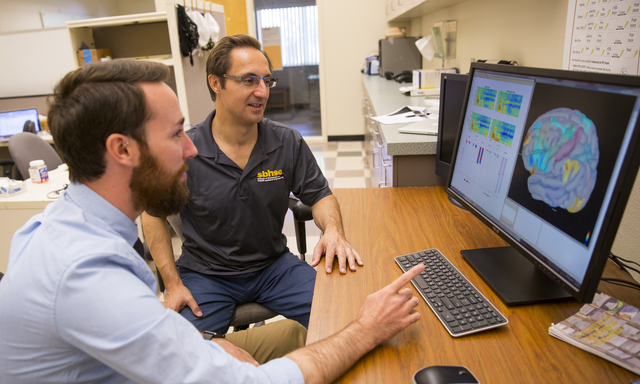
Striving for big steps in prosthetic hand technology
August 11, 2017
Fulton Schools researchers are taking aim at breaking down barriers that prevent artificial hands from giving users the full sensations and functional capabilities of natural hands.School or unitHealth

Graduate students’ lab skills help to earn funding for cutting-edge biomedical research
August 3, 2017
Studies of the mechanisms of early human neurodevelopment and the effects of aging and other risk factors for Alzheimer's Disease will be done by ASU’s Brafman Lab with recent grants from the National Institutes of Health and the Arizona Biomedical Research Commission.School or unitHealth
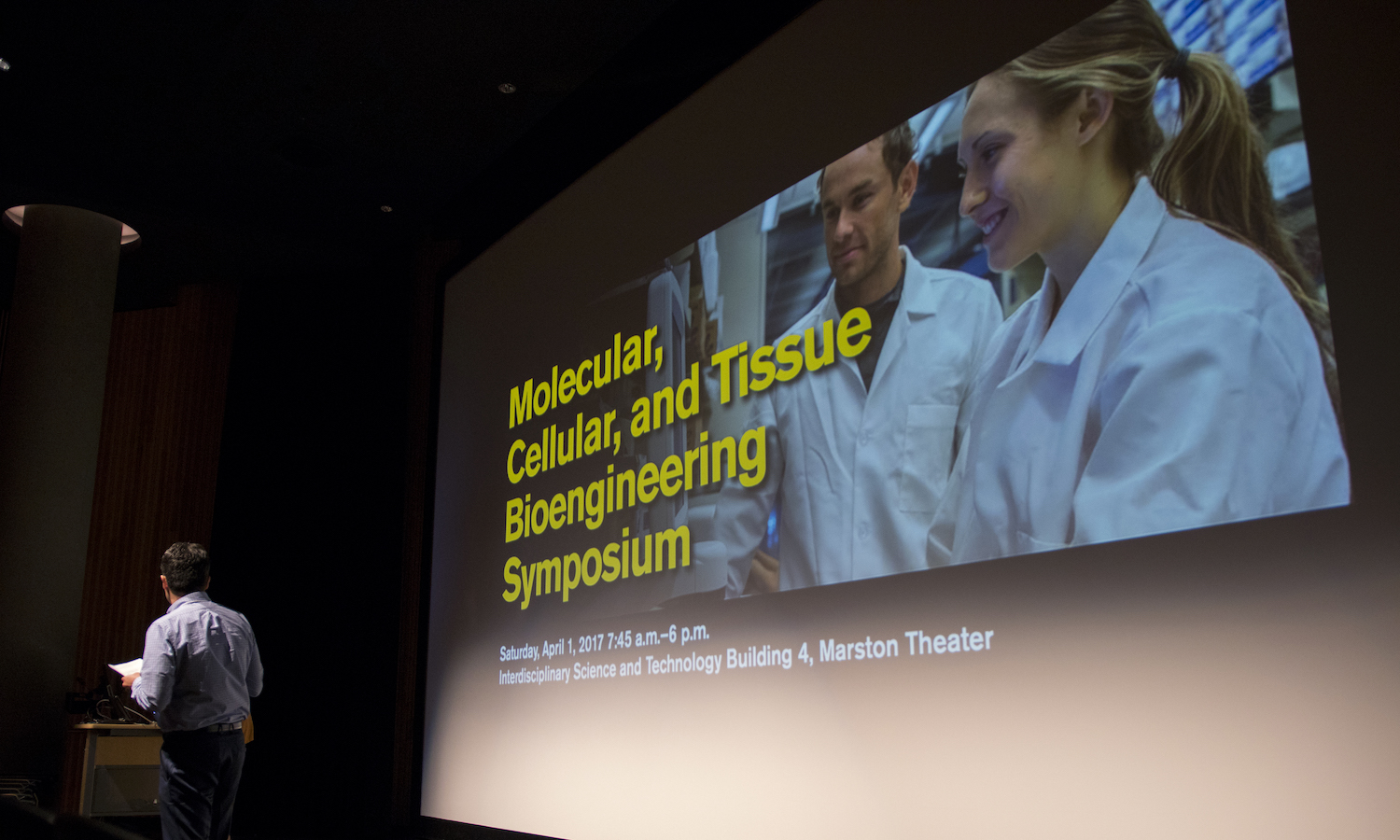
‘Soft’ side of bioengineering poised to make big impacts
July 27, 2017
A group of engineering and science faculty members is striving to expand the scope of ASU's bioengineering research and education — as well as students' career possibilities.School or unitEducationHealth

BRAIN center gathers to ponder future, direction
July 19, 2017
Researchers, leaders, industry members and stakeholders of the Industry–University Cooperative Research Center Building Reliable Advancements in Neurotechnology, or BRAIN, gathered the center's inaugural industry advisory board meeting on June 29.School or unitHealth

Creative connection: Enriching educational experience springs from Ankeny’s rapport with students
July 13, 2017
The foremost national engineering education advocacy group has given biomedical engineering lecturer Casey Ankeny one of its annual teaching awards.School or unitEducation

Microengineering a heart attack
May 16, 2017
With support from a National Science Foundation CAREER Award, Mehdi Nikkhah is creating a heart attack-on-a-chip to better understand a disease that is a leading killer in the United States.School or unitHealth

Xiao Wang cell fate research advances
May 15, 2017
Biomedical engineering research that is increasing knowledge about the mechanisms of cell differentiation could pave the way to new medical treatments and therapies.School or unitHealth

Fulton Schools graduates 17 more Grand Challenge Scholars to tackle global challenges
May 12, 2017
High-achieving students in the Fulton Schools go above and beyond the typical engineering curriculum in the Grand Challenge Scholars program, as they learn to be collaborative, transdisciplinary, global problem solvers.School or unitEnergyHealthSustainability
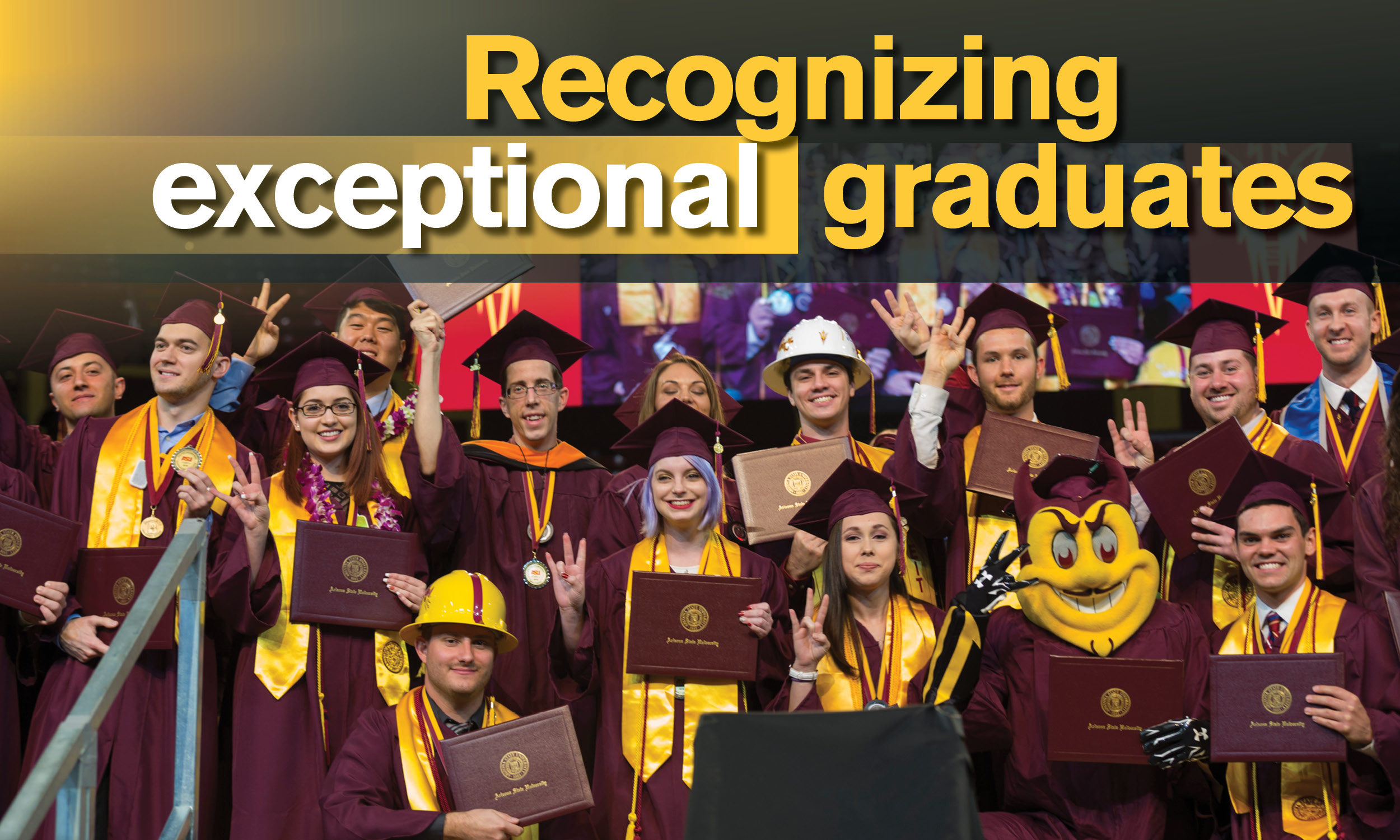
Meet Spring 2017’s Outstanding Undergraduates and IMPACT Award recipients
May 8, 2017
As the Fulton Schools prepares to send newly graduated engineers, innovators and creators out into the world, we take time to highlight some truly exception graduates of the Class of 2017.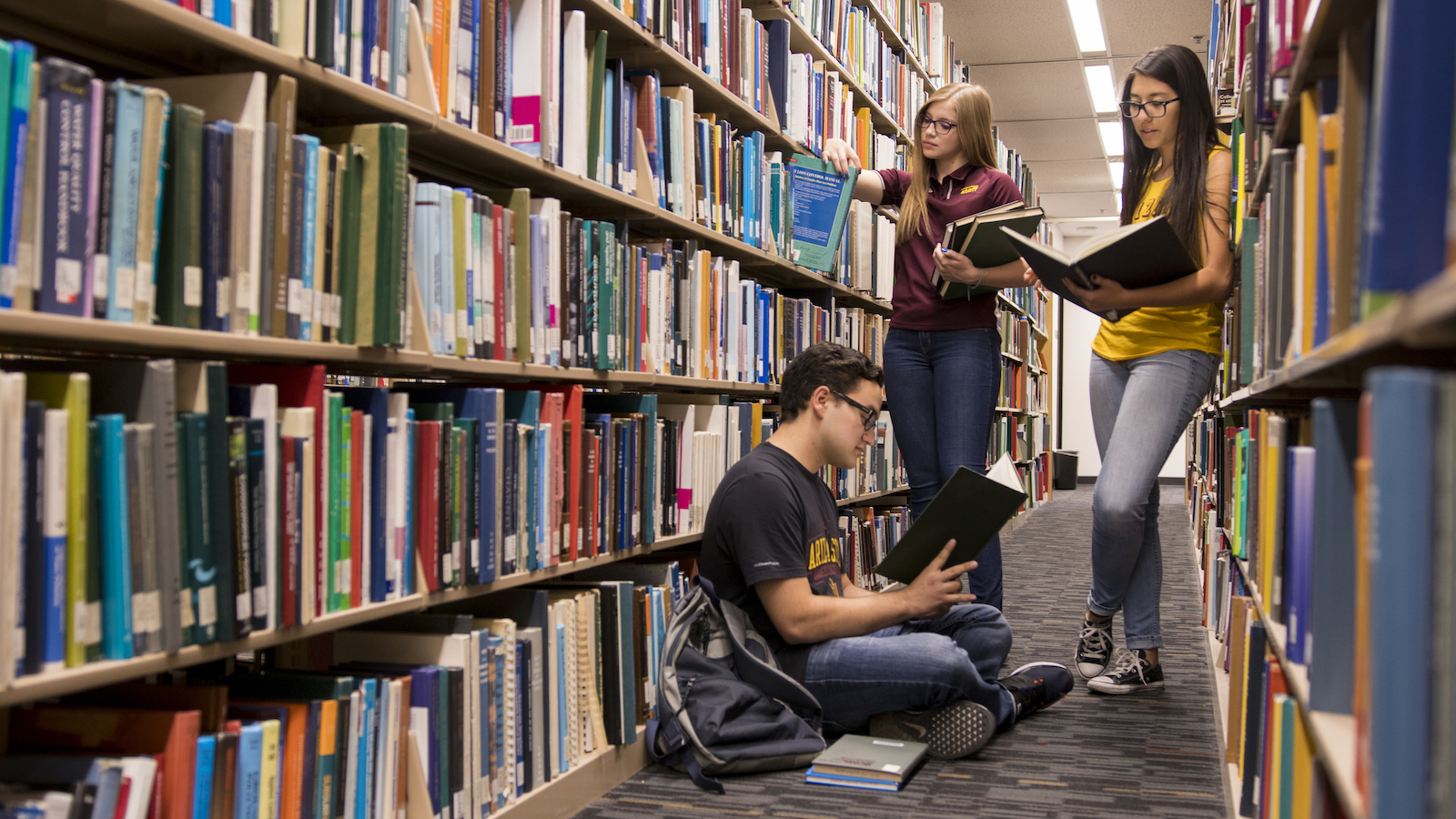
Essential Reading: Guidebooks for your journey through college and beyond
May 2, 2017
Books recommended by Fulton Schools faculty and staff members cover topics from self-improvement, coping with change and leadership skills to mythology, political scandal, environmental dangers and a story with wisps of mysticism.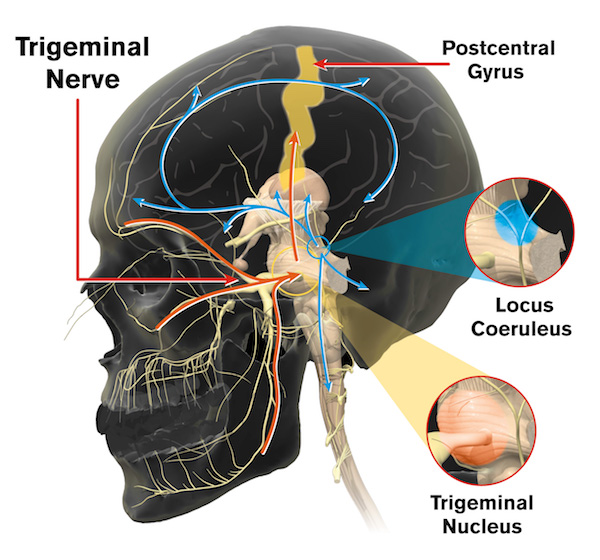
Stimulating the expansion of human cognitive potential
April 26, 2017
Through research aimed at enabling American troops to boost their effectiveness on the battlefield, Fulton Schools faculty hope to refine techniques to enhance human learning and performance.School or unitHealth

Academia, industry collaborate on solutions to neural disease, injury
April 20, 2017
The BRAIN Center will be led by researchers from Arizona State University and the University of Houston who will work with industry partners to speed technologies to market.School or unitHealth

DNA-detection research earns biomedical engineer Young Chemist Award
March 16, 2017
Biomedical engineering graduate student Aldin Malkoc was awarded the 2017 Young Chemist Award for his research to improve on the specificity and sensitivity of DNA detection.School or unitHealth
Date range October 2017 – March 2017