Category
Research
Page 30 of 54

Dash, Arizona State University elevate blockchain research, offer graduate course and scholarships
January 18, 2018
ASU and Dash have announced a partnership designed to accelerate research, development and education to advance blockchain technology.School or unitSCAI

New tipping point prediction model offers insights to diminishing bee colonies
January 10, 2018
School or unitECEE

Engineering success for all online graduate students
January 9, 2018
The Fulton Schools buck the trend of exclusivity among the top online engineering graduate programs with a focus on inclusivity and student success, earning the 11th place ranking in the U.S. News and World Report's Best Online Engineering Programs.School or unitFulton SchoolsGOEE

Fulton Schools faculty win award with innovative “person-centered” multimedia paradigm
December 4, 2017
Three Fulton Schools faculty members and one postdoctoral student win 2017 IEEE MultiMedia Best Department Article Award for person-centered multimedia computing and its assistive and rehabilitative applications for individuals with disabilities.School or unitSCAI
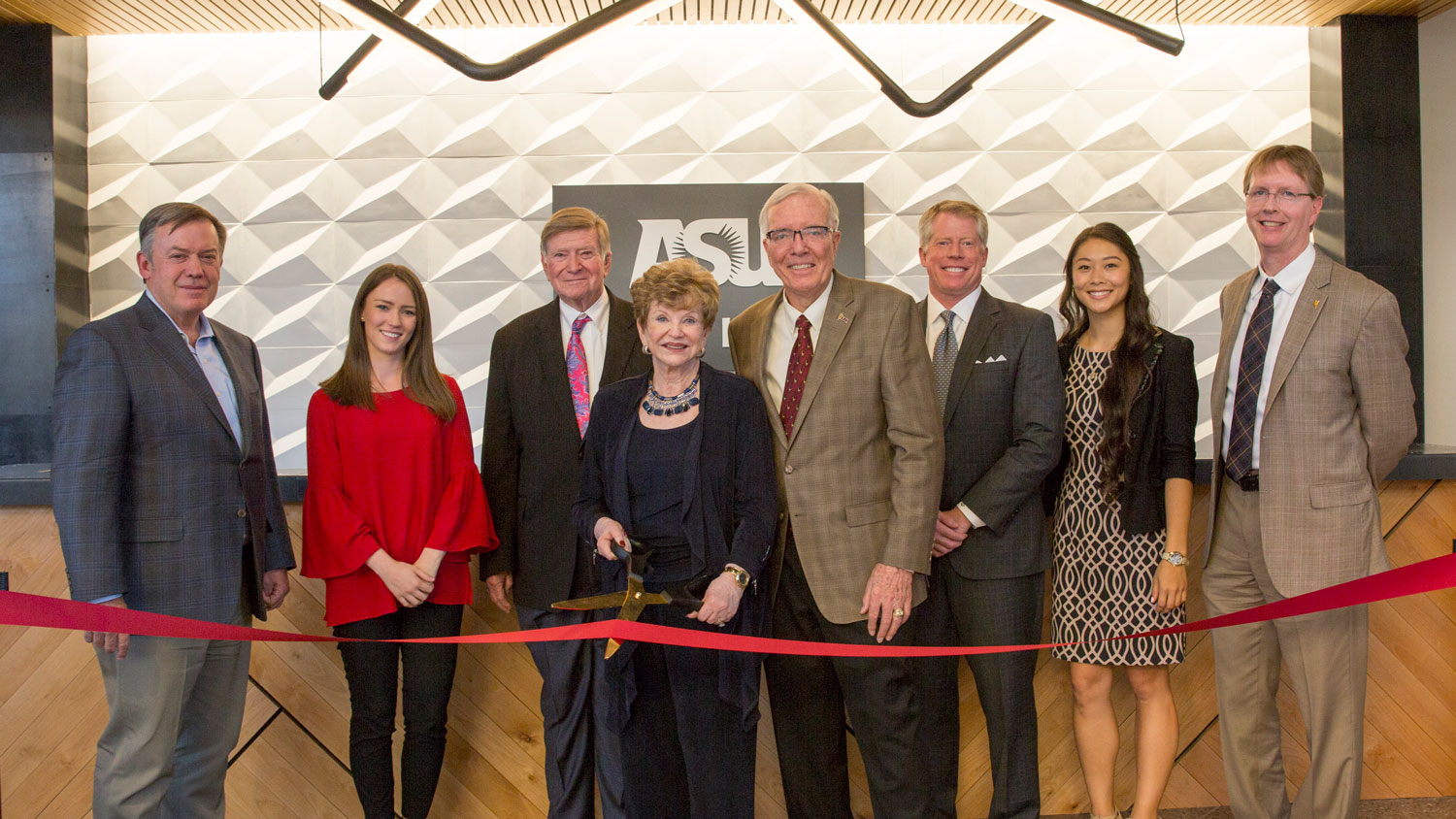
Tooker House open for innovative engineering student experience
November 28, 2017
Diane and Gary Tooker along with Ira A. Fulton Schools of Engineering Dean Kyle Squires, ASU President Michael Crow and other VIP guests spoke about the residential community's effect on the student experience and held an official ribbon cutting ceremony.School or unitFulton Schools
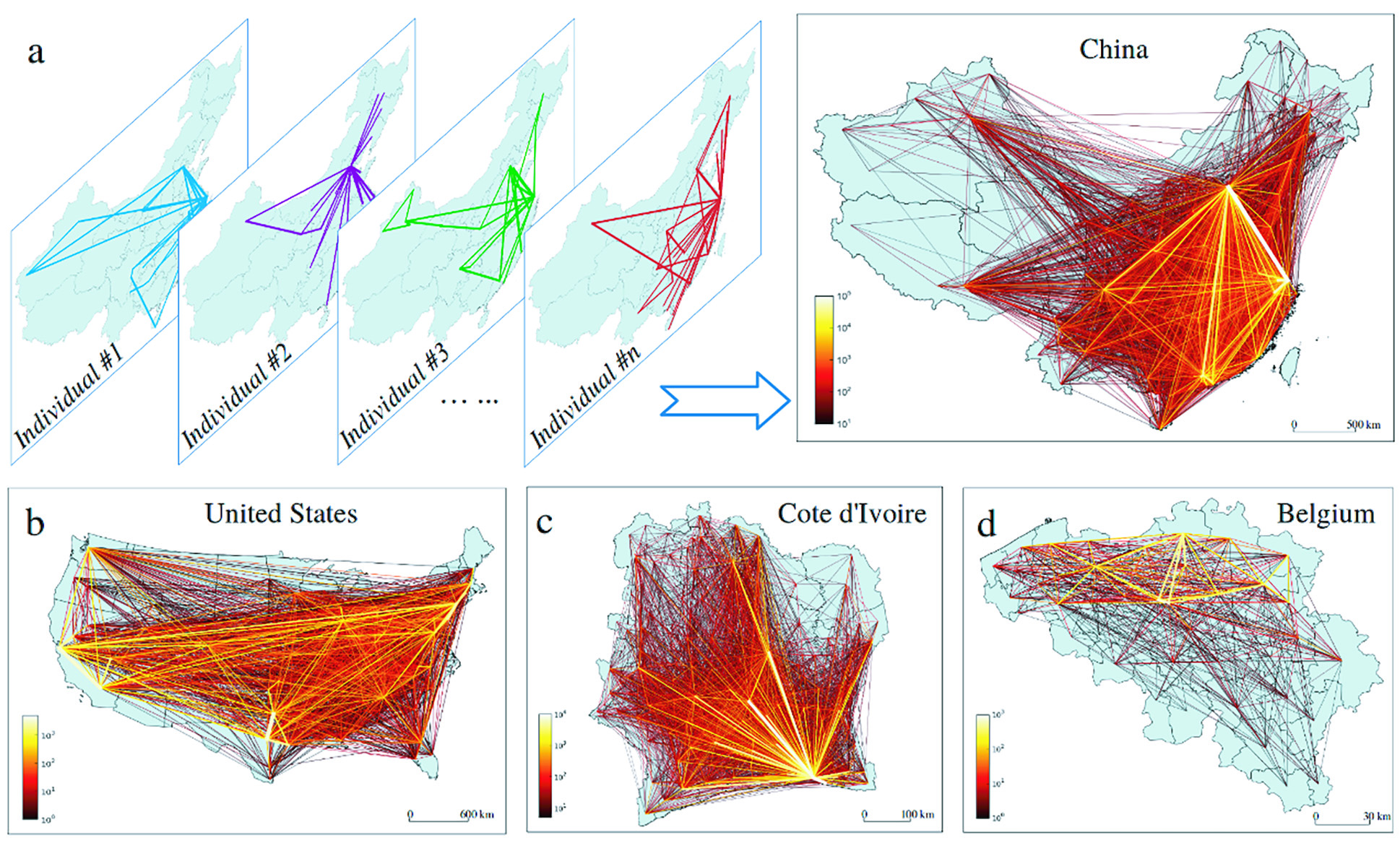
New human mobility prediction model offers scalability, requires less data
November 21, 2017
School or unitECEE

Klaus Lackner’s ASU KEDtalk: Carbon is a terrible thing to waste
November 16, 2017
Klaus Lackner, Ira A. Fulton Schools of Engineering professor of civil, environmental and sustainable engineering and director of Arizona State University's Center for Negative Carbon Emissions, asks "We clean up our trash. Why not clean up after our carbon use?" in an ASU KEDtalk hosted by ASU's Office of Knowledge Enterprise Development.School or unitSSEBE

Homecoming 2017 – May the Fork Be With You
October 31, 2017
A time-honored ASU tradition, Homecoming 2017 brought together students, parents and alumni to celebrate their Sun Devil spirit.School or unitFulton SchoolsPOLYSEMTESSEBE

Engineering Education Systems and Design program sets game-changing goals
October 5, 2017
A new Fulton Schools doctoral program aims to produce researchers equipped to drive innovation in engineering education and broaden its reach everywhere from preschool to post-college.School or unitFulton SchoolsPOLY

Rosalind Sadleir stimulates brain function, research
September 27, 2017
Rosalind Sadleir hopes to discover how current makes its way through our minds and in doing so, potentially unlock new insights into brain stimulation research and treatments.School or unitSBHSE
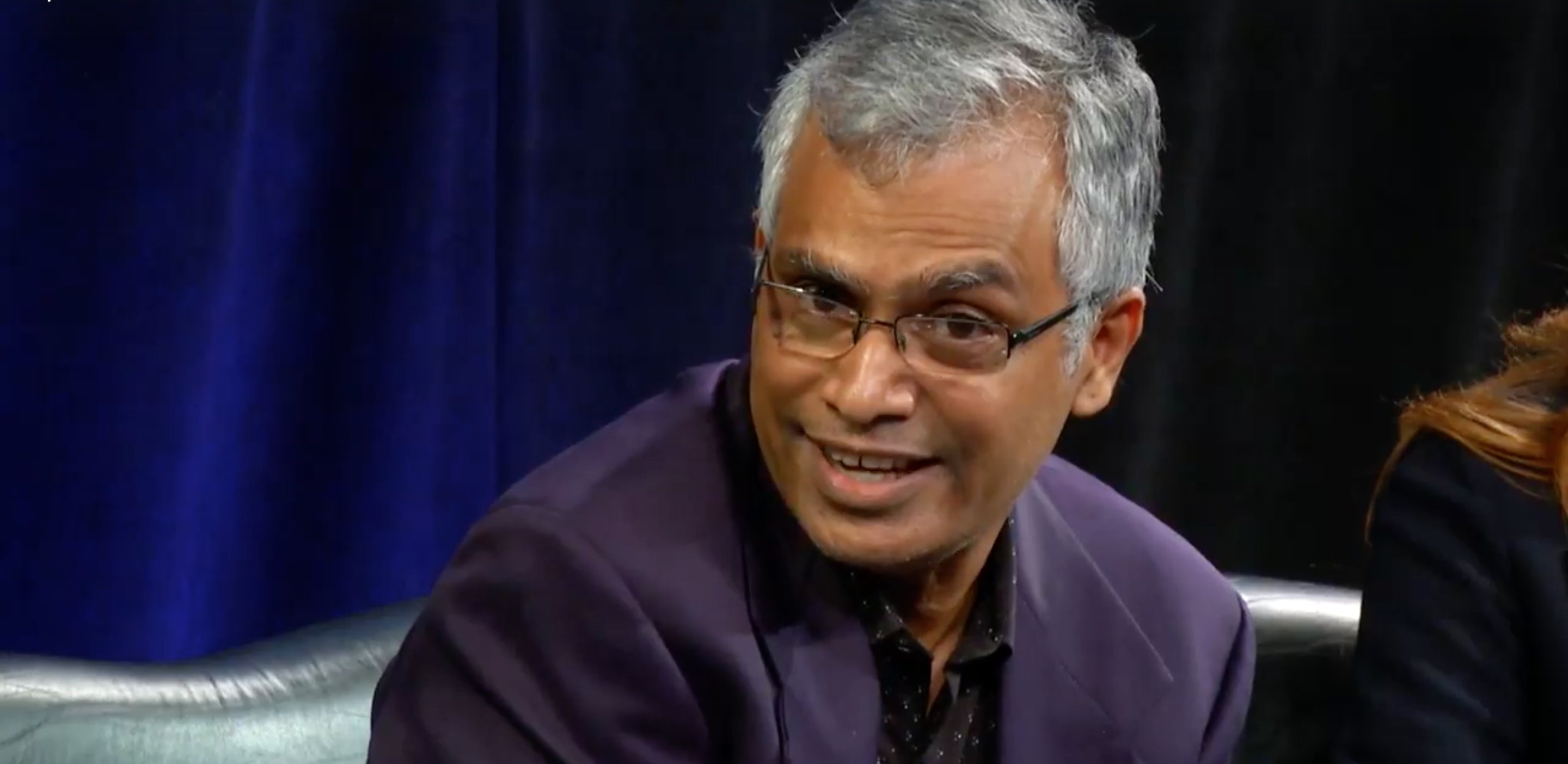
Kambhampati, fellow experts discuss human-machine collaboration, AI design
September 14, 2017
Professor Subbarao Kambhampati joined fellow AI experts for a discussion with the Computer Science Museum on human-machine collaboration and how it affects the way AI tools are developed.School or unitSCAI
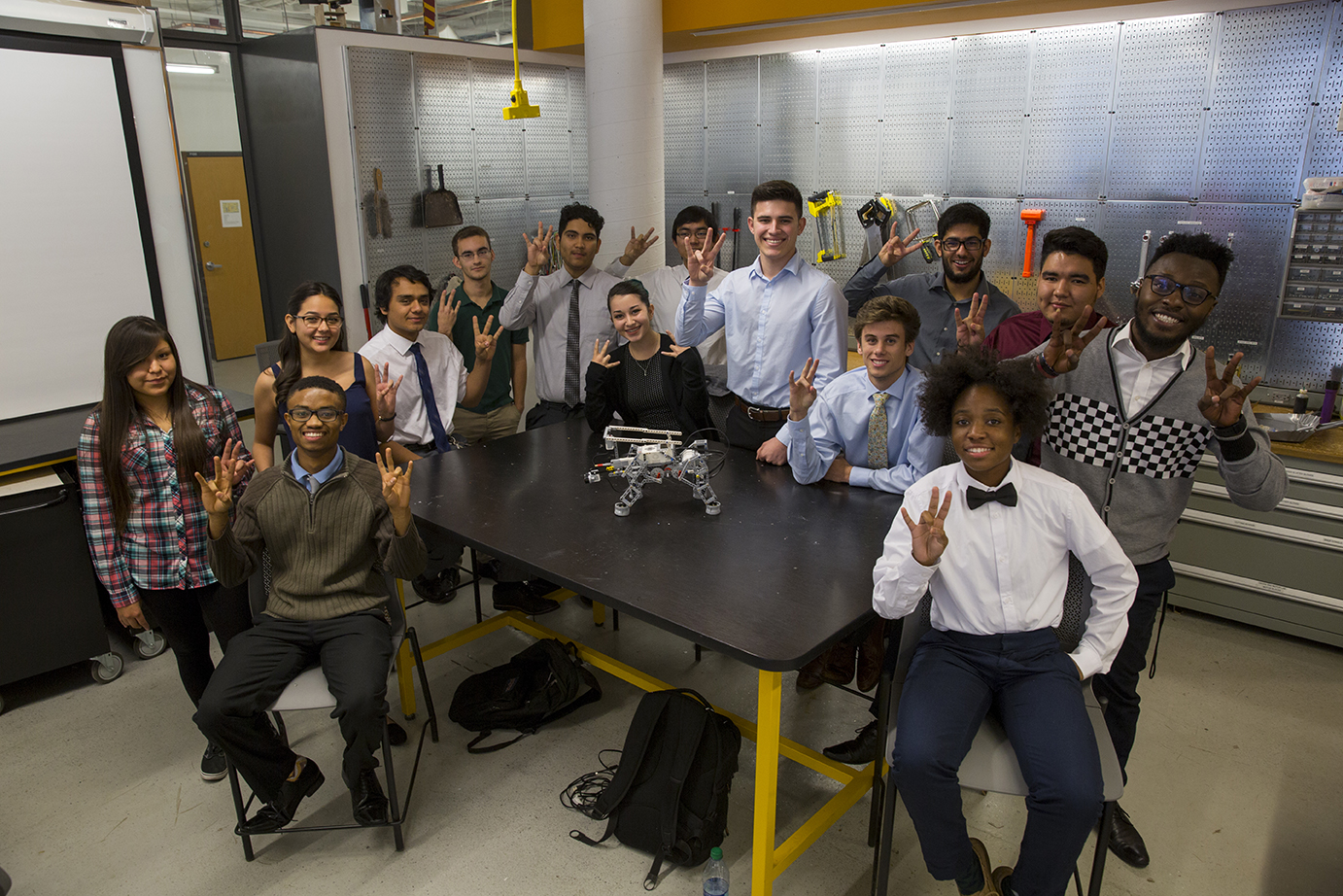
ASU receives NSF funding to include more in engineering, advance first-generation college student success
September 12, 2017
Aided by an NSF grant, ASU, academic, industry and philanthropic partners are embarking on an ambitious program to support first-generation students as well as attract underrepresented populations to engineering.School or unitASAFulton SchoolsSCAI

Welcome to the Fulton Schools 2017 photo gallery
August 31, 2017
A new school year is upon us! With a new home for innovation opening at Tooker House this semester, 2017–2018 promises to be one to remember!School or unitFulton Schools
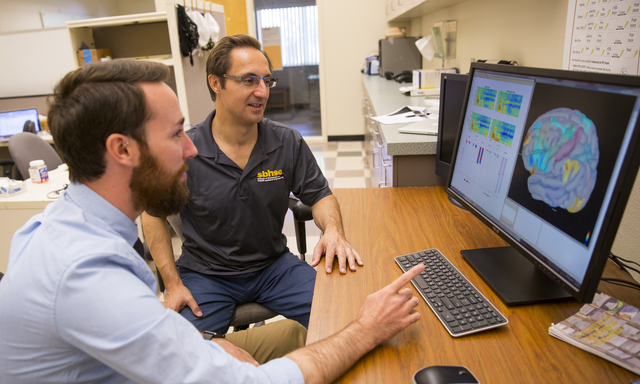
Striving for big steps in prosthetic hand technology
August 11, 2017
Fulton Schools researchers are taking aim at breaking down barriers that prevent artificial hands from giving users the full sensations and functional capabilities of natural hands.School or unitSBHSE

Graduate students’ lab skills help to earn funding for cutting-edge biomedical research
August 3, 2017
Studies of the mechanisms of early human neurodevelopment and the effects of aging and other risk factors for Alzheimer's Disease will be done by ASU’s Brafman Lab with recent grants from the National Institutes of Health and the Arizona Biomedical Research Commission.School or unitSBHSE
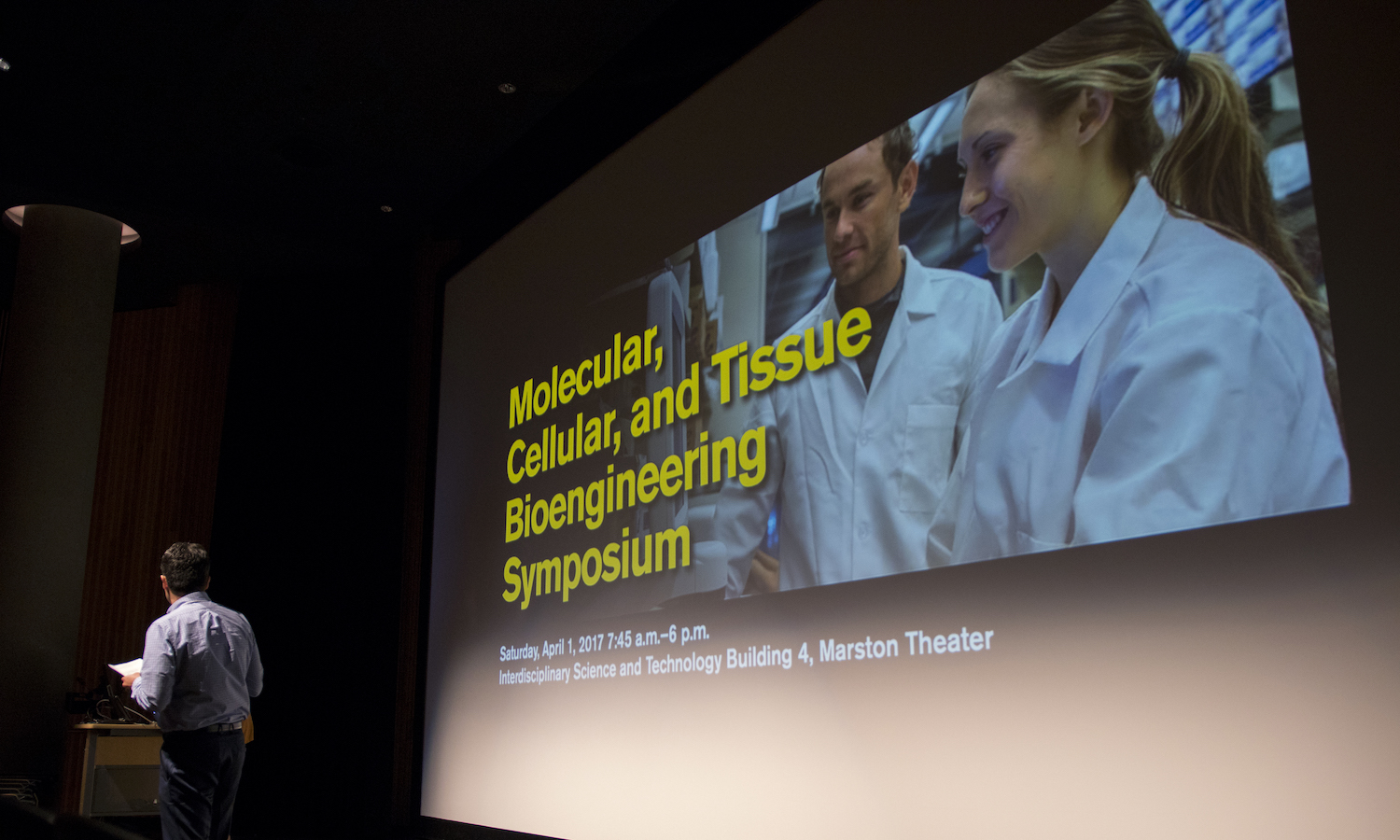
‘Soft’ side of bioengineering poised to make big impacts
July 27, 2017
A group of engineering and science faculty members is striving to expand the scope of ASU's bioengineering research and education — as well as students' career possibilities.School or unitSBHSESEMTE

BRAIN center gathers to ponder future, direction
July 19, 2017
Researchers, leaders, industry members and stakeholders of the Industry–University Cooperative Research Center Building Reliable Advancements in Neurotechnology, or BRAIN, gathered the center's inaugural industry advisory board meeting on June 29.School or unitSBHSE

New semiconductor material shows promise for more efficient power electronics
July 3, 2017
Yuji Zhao is working to address technological gaps in gallium nitride doping, a critical technical step to achieve high performance GaN power devices.School or unitECEE
Date range January 2018 – July 2017